Oral health problems often begin with mild symptoms that are easy to ignore. A slight burning sensation while eating spicy food, difficulty opening the mouth, or tightness inside the cheeks may not seem serious at first. However, these can be the earliest warning signs of Oral Submucous Fibrosis (OSMF)—a chronic condition that affects the lining of the mouth and can significantly impact quality of life if left untreated.
OSMF is one of the most common potentially malignant oral disorders seen in India, largely due to the widespread use of areca nut (supari), gutkha, paan masala, and tobacco products. Early diagnosis and timely treatment are essential because the condition can gradually restrict mouth opening, interfere with eating and speaking, and increase the risk of oral cancer.
What Is Oral Submucous Fibrosis?
Oral Submucous Fibrosis (OSMF) is a chronic condition in which the soft tissues inside the mouth gradually become inflamed and develop fibrous (scar-like) bands. Over time, these tissues lose their elasticity, making it increasingly difficult to open the mouth or move the cheeks and tongue comfortably.
Unlike temporary mouth ulcers or infections, OSMF is progressive. Without treatment and lifestyle changes, the condition may continue to worsen.
Why Does Oral Submucous Fibrosis Develop?
The primary cause of OSMF is the regular chewing of areca nut, either alone or as part of products such as:
- Gutkha
- Paan masala
- Supari
- Betel quid
- Tobacco mixtures
Areca nut contains compounds that stimulate excessive collagen production inside the mouth, leading to fibrosis and reduced tissue flexibility.
Other contributing factors may include:
- Tobacco use
- Smoking
- Nutritional deficiencies (especially iron and B-complex vitamins)
- Frequent consumption of very spicy foods
- Genetic susceptibility in some individuals
The longer these habits continue, the greater the risk of progression.
Recognising the Early Signs of OSMF
Many patients delay treatment because the symptoms develop gradually.
Common early symptoms include:
- Burning sensation while eating spicy foods
- Tightness inside the cheeks
- Recurrent mouth ulcers
- Dry mouth
- Reduced tongue flexibility
- Mild difficulty opening the mouth
At this stage, treatment is often more effective because significant fibrosis has not yet developed.
Stages of Oral Submucous Fibrosis
Understanding the severity of OSMF helps determine the most appropriate treatment plan.
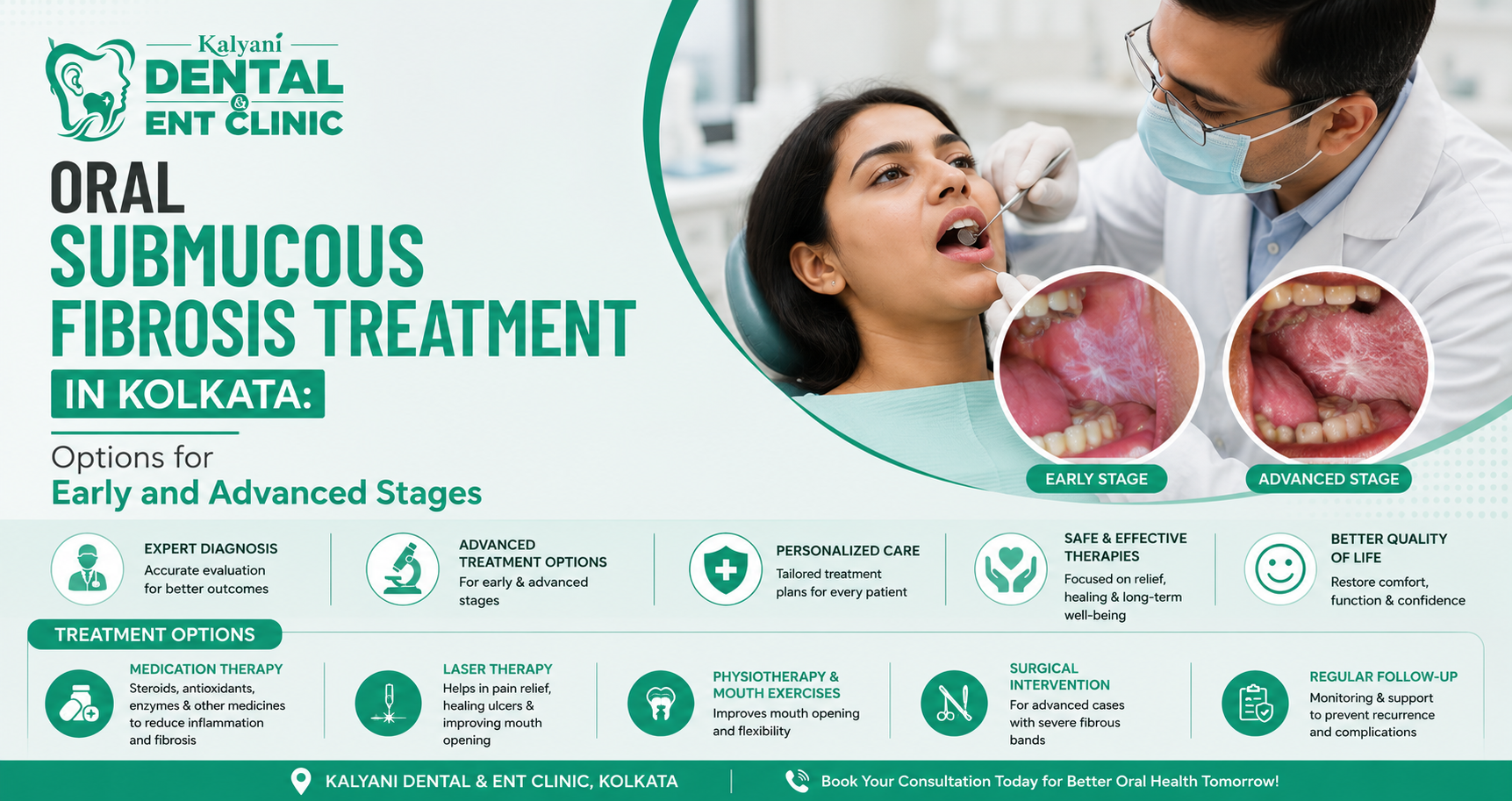
Stage 1 – Early Oral Submucous Fibrosis
The earliest stage usually presents with:
- Mild burning sensation
- Occasional mouth soreness
- Slight blanching (whitening) of the oral lining
- Minimal restriction in mouth opening
Many patients overlook these symptoms, assuming they are temporary.
Stage 2 – Moderate Oral Submucous Fibrosis
As fibrosis progresses, patients may experience:
- Noticeable tightening of the cheeks
- Difficulty eating larger food pieces
- Reduced mouth opening
- Stiffness while speaking
- Formation of palpable fibrous bands
Daily activities begin to feel more uncomfortable at this stage.
Stage 3 – Advanced Oral Submucous Fibrosis
Advanced OSMF significantly affects oral function.
Symptoms may include:
- Severe restriction of mouth opening
- Thick fibrous bands inside the cheeks
- Difficulty chewing and swallowing
- Reduced tongue movement
- Persistent burning sensation
- Weight loss due to eating difficulties
This stage requires more comprehensive treatment and close monitoring because of the increased risk of malignant transformation.
What Is Advanced Oral Submucous Fibrosis?
Advanced OSMF refers to the stage where extensive fibrosis has severely reduced the flexibility of oral tissues. Mouth opening becomes significantly limited, making eating, speaking, oral hygiene, and even routine dental treatment difficult.
Patients in advanced stages may also experience nutritional deficiencies due to reduced food intake and require multidisciplinary management involving dentists, oral medicine specialists, and, in some cases, oral surgeons.
How Do You Treat Early Stage OSMF?
Early diagnosis offers the best opportunity to slow or stop disease progression.
Treatment for early-stage OSMF usually focuses on eliminating the underlying cause and improving tissue health.
Common treatment approaches include:
Habit Cessation
Stopping the use of:
- Gutkha
- Supari
- Paan masala
- Tobacco products
- Betel nut
This is the single most important step in preventing further progression.
Nutritional Support
Your dentist may recommend supplements such as:
- Iron
- Vitamin B complex
- Vitamin A
- Antioxidants
Correcting nutritional deficiencies supports tissue healing.
Medications
Depending on the severity, medications may be prescribed to:
- Reduce inflammation
- Relieve burning sensation
- Improve tissue flexibility
- Promote healing
Treatment is always individualised based on clinical findings.
Mouth Opening Exercises
Regular physiotherapy exercises help maintain muscle function and reduce stiffness.
Patients who follow structured exercise programmes often achieve better long-term outcomes.
Treatment Options for Advanced Oral Submucous Fibrosis
When fibrosis becomes more extensive, treatment usually combines several approaches.
Intralesional Therapy
Certain medications may be injected directly into affected tissues to reduce inflammation and improve flexibility.
These treatments are performed under professional supervision and often require multiple sessions.
Physiotherapy
Guided mouth-opening exercises remain an important part of treatment, even in advanced cases.
Consistency is essential for achieving measurable improvement.
Laser Therapy
Some patients benefit from laser-assisted procedures that help release fibrous tissue while promoting healing with minimal discomfort.
The suitability of laser treatment depends on the individual case.
Surgical Management
When severe fibrosis significantly limits mouth opening, surgery may be recommended.
Surgical treatment may involve:
- Release of fibrous bands
- Reconstruction using grafts or flaps
- Post-operative physiotherapy to maintain improvement
Surgery is generally reserved for patients who do not respond adequately to conservative treatment.
Can Oral Submucous Fibrosis Be Completely Cured?
OSMF is considered a chronic condition.
While treatment can greatly improve symptoms and slow progression, long-term success depends on:
- Permanent cessation of areca nut and tobacco use
- Early diagnosis
- Regular follow-up
- Consistent physiotherapy
- Good nutrition
Patients diagnosed in the early stages usually achieve better outcomes than those who delay treatment.
Why Early Diagnosis Matters
Ignoring symptoms may allow fibrosis to worsen over time.
Early diagnosis offers several advantages:
- Better mouth opening preservation
- Less invasive treatment
- Reduced discomfort
- Improved eating and speech
- Lower risk of disease progression
- Early monitoring for potential cancerous changes
Routine oral examinations play a vital role in identifying suspicious changes before complications develop.
Preventing Oral Submucous Fibrosis
Although treatment is available, prevention remains the most effective strategy.
You can reduce your risk by:
- Avoiding gutkha, supari, and paan masala
- Quitting tobacco in all forms
- Maintaining a balanced diet rich in vitamins
- Scheduling regular dental check-ups
- Seeking evaluation if burning or restricted mouth opening develops
Small lifestyle changes can make a significant difference to long-term oral health.
FAQs:
How do you treat early stage OSMF?
Early-stage OSMF is managed by stopping areca nut and tobacco use, improving nutrition, prescribing appropriate medications, and performing regular mouth-opening exercises under professional guidance.
What is advanced Oral Submucous Fibrosis?
Advanced OSMF is characterised by severe fibrosis, marked restriction of mouth opening, difficulty eating and speaking, and an increased risk of malignant transformation.
What are the stages of Oral Submucous Fibrosis?
OSMF generally progresses through early, moderate, and advanced stages, with increasing fibrosis, reduced mouth opening, and greater functional impairment at each stage.
Is Oral Submucous Fibrosis reversible?
Early-stage disease may show significant improvement with timely treatment and complete habit cessation. Advanced fibrosis is more difficult to reverse and may require surgical intervention.
Is OSMF a serious condition?
Yes. OSMF is considered a potentially malignant disorder and should always be evaluated and monitored by qualified dental or oral medicine professionals.
Expert Oral Submucous Fibrosis Treatment in Kolkata
Living with restricted mouth opening, persistent burning sensations, or difficulty eating can affect every aspect of daily life. The good news is that timely diagnosis and personalised treatment can help control symptoms, improve oral function, and reduce the risk of future complications.
At Kalyani Dental & ENT Clinic, our experienced dental team provides comprehensive evaluation and evidence-based management for Oral Submucous Fibrosis. From early-stage diagnosis and habit counselling to advanced treatment planning and long-term follow-up, we focus on preserving your oral health and improving your quality of life.
If you or a family member is experiencing symptoms of OSMF, don’t delay seeking professional care. Book your consultation with Kalyani Dental & ENT Clinic today and take the first step toward protecting your oral health.
Read More: